
DWP DSAR (Data Subject Access Request)
Request your personal information from the Department for Work and Pensions
https://www.gov.uk/guidance/request-your-personal-information-from-the-department-for-work-and-pensions
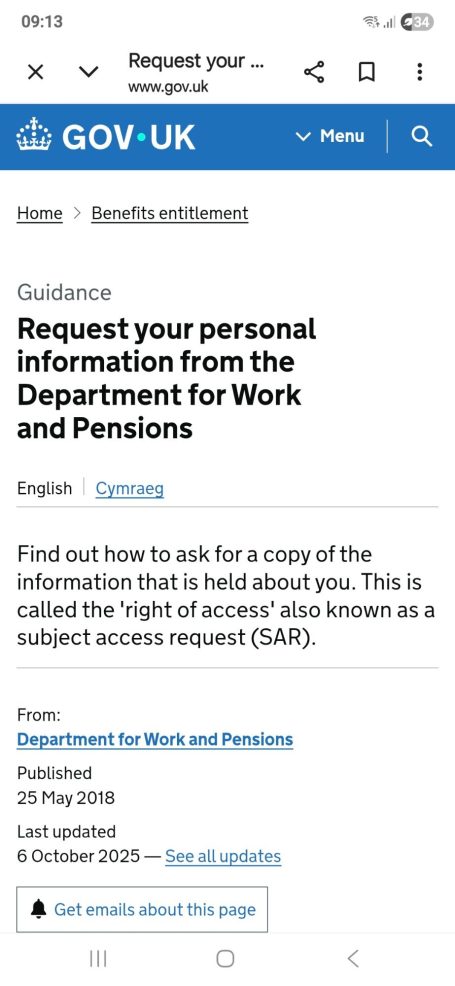
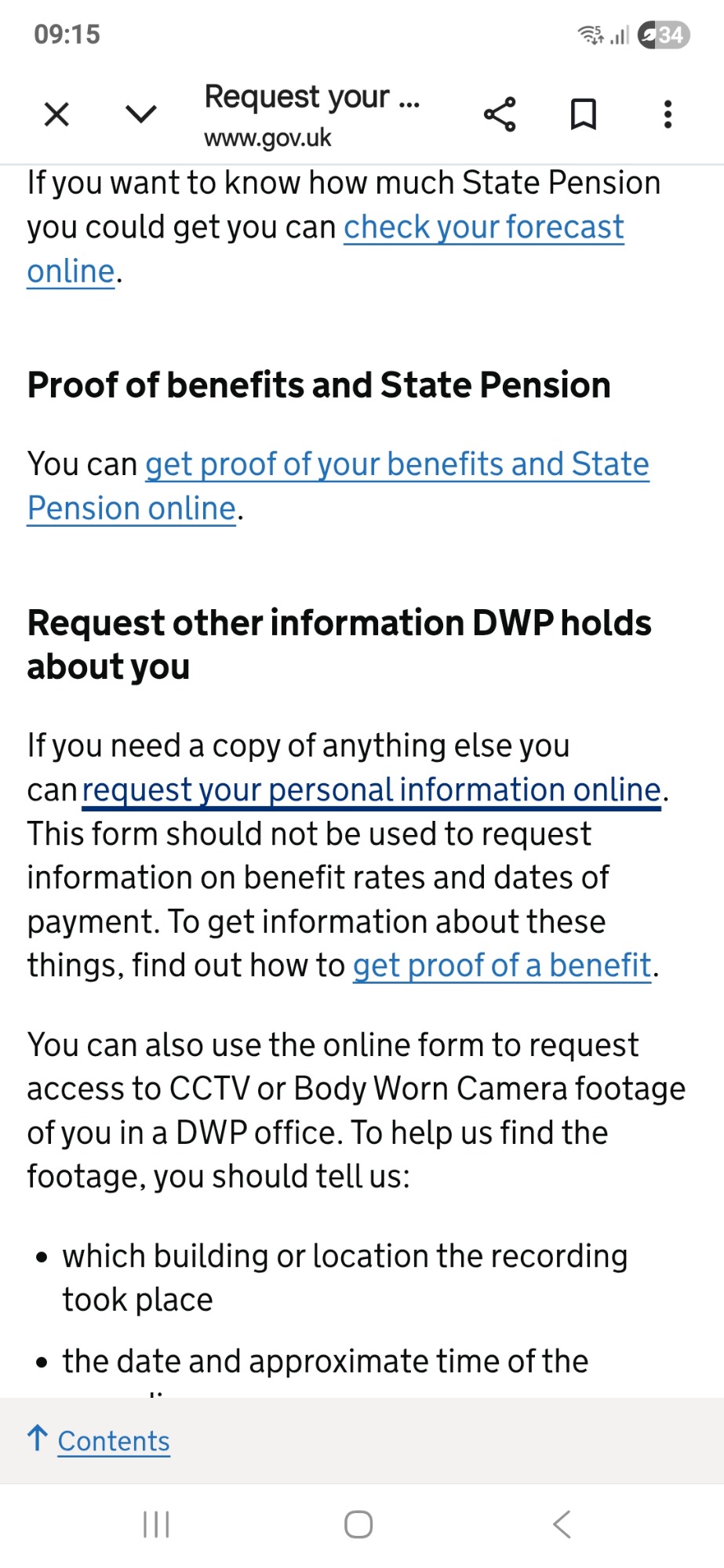
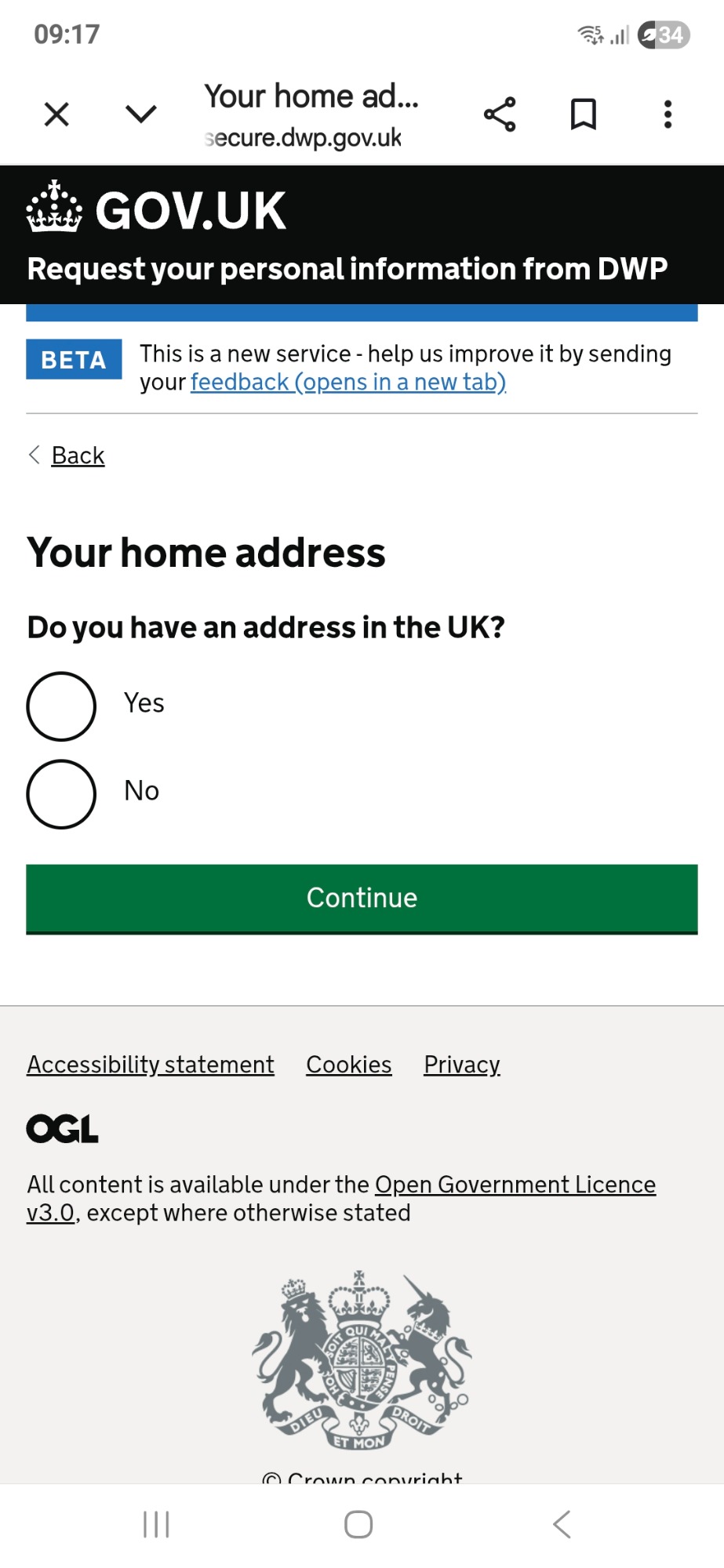
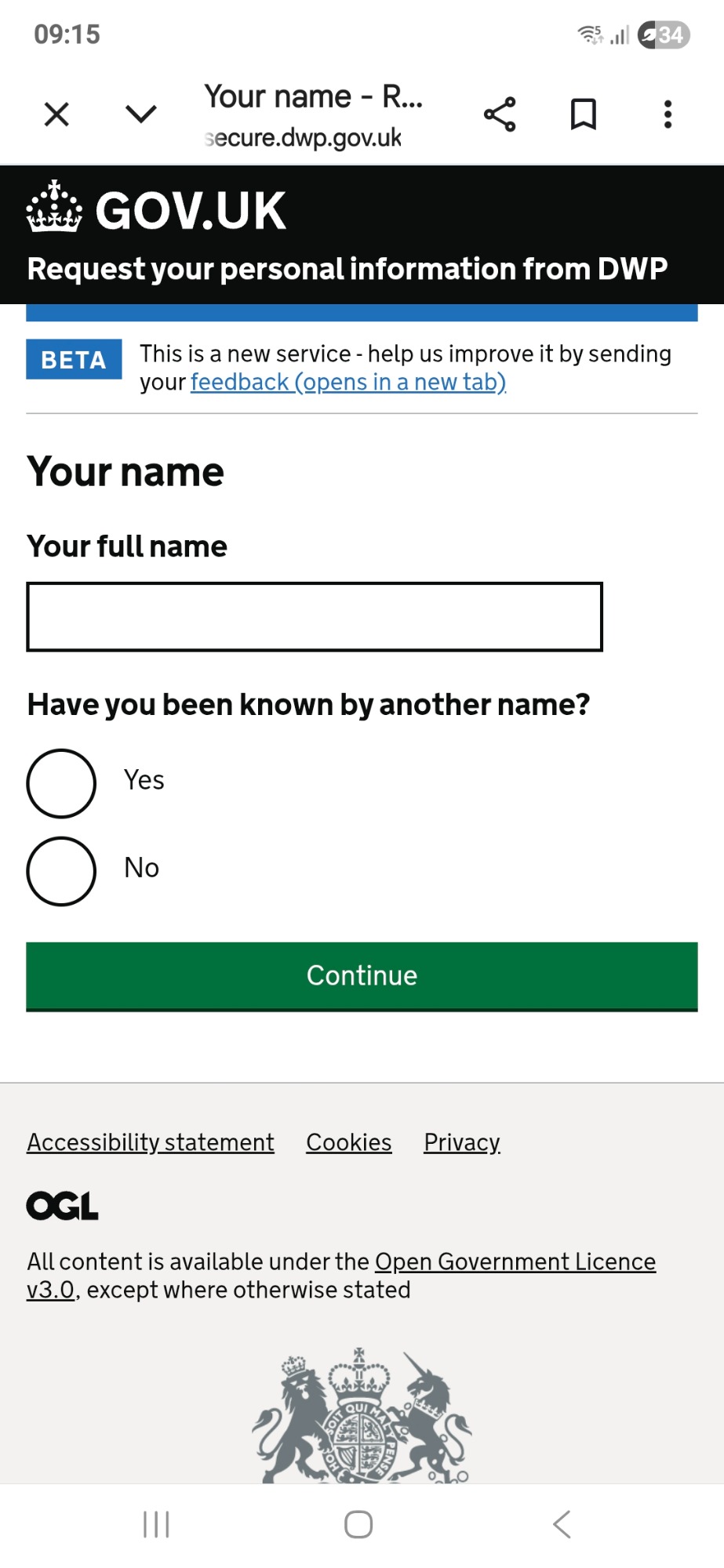
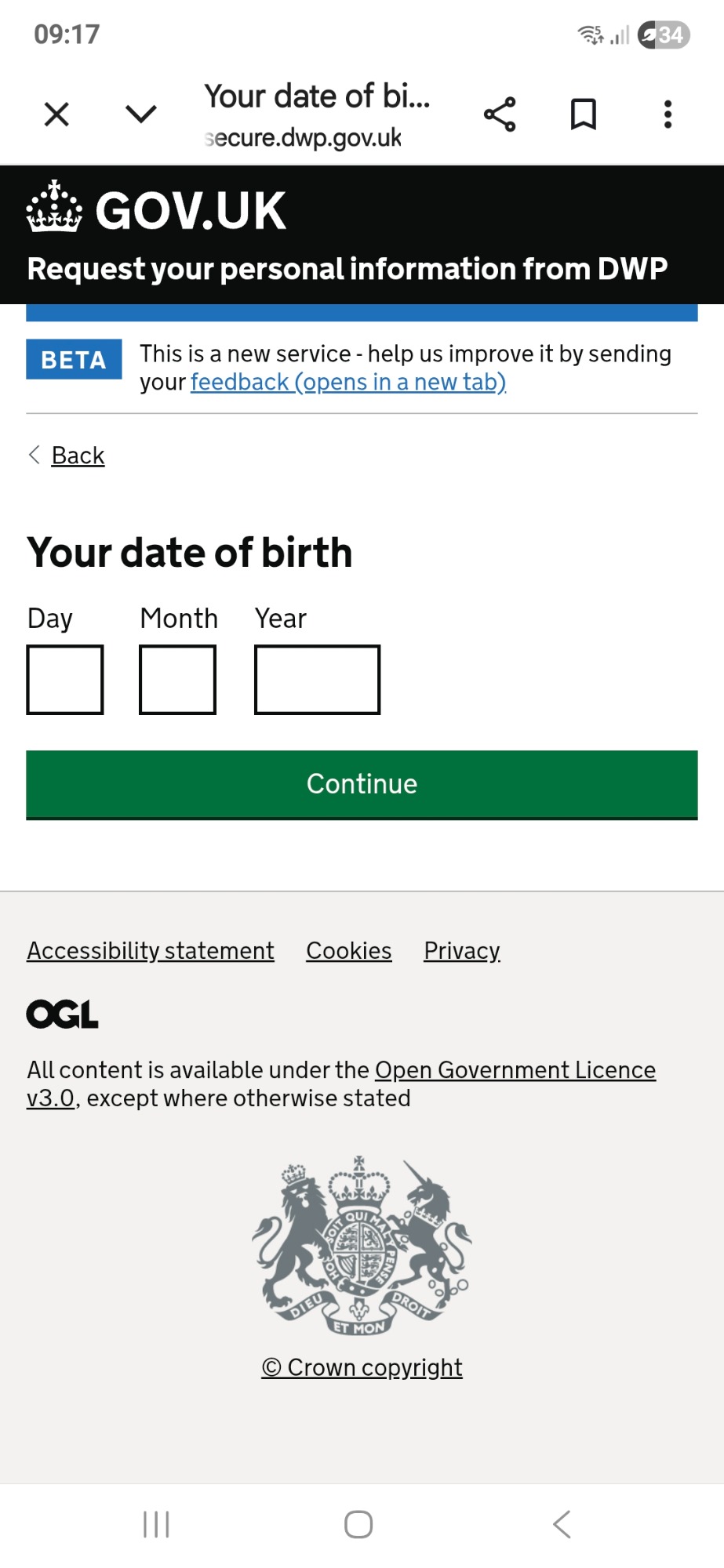
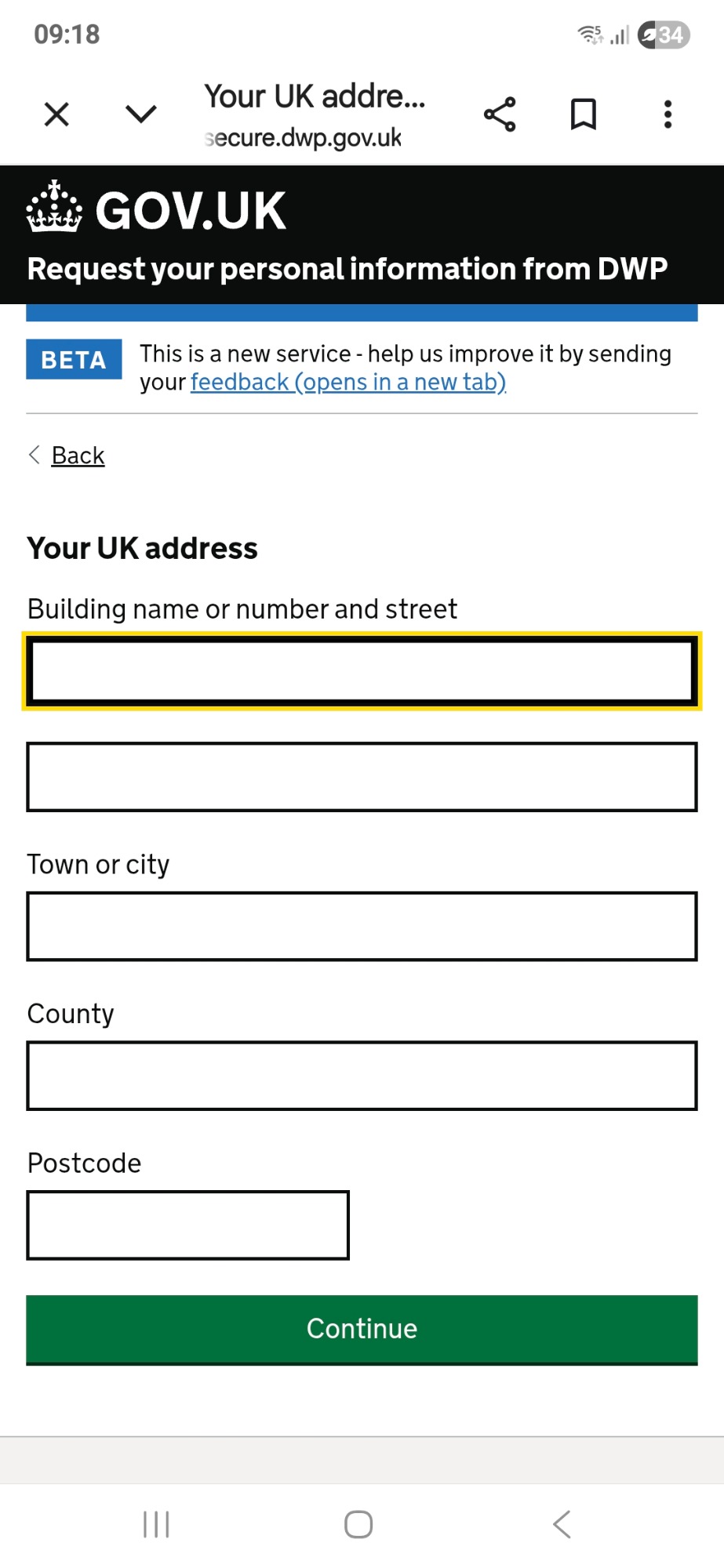
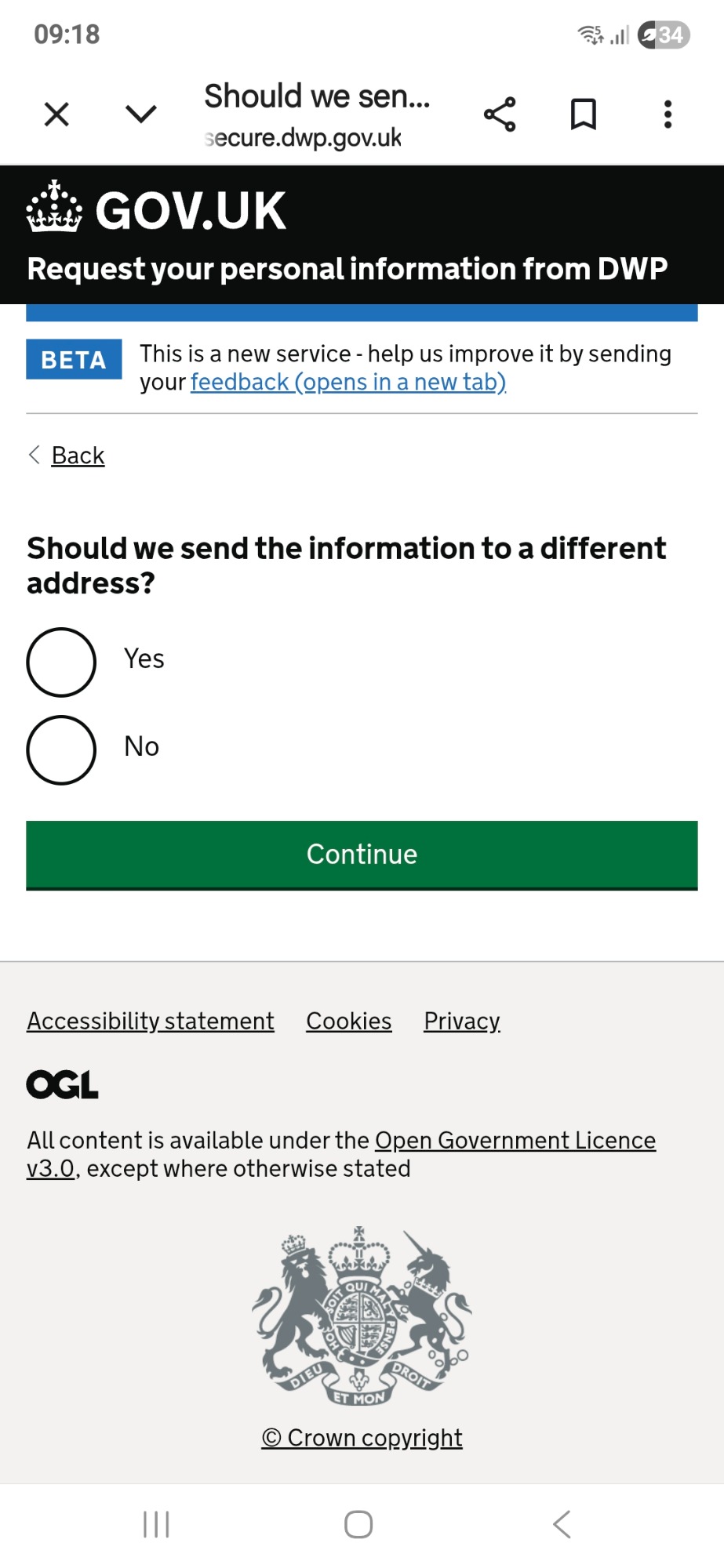
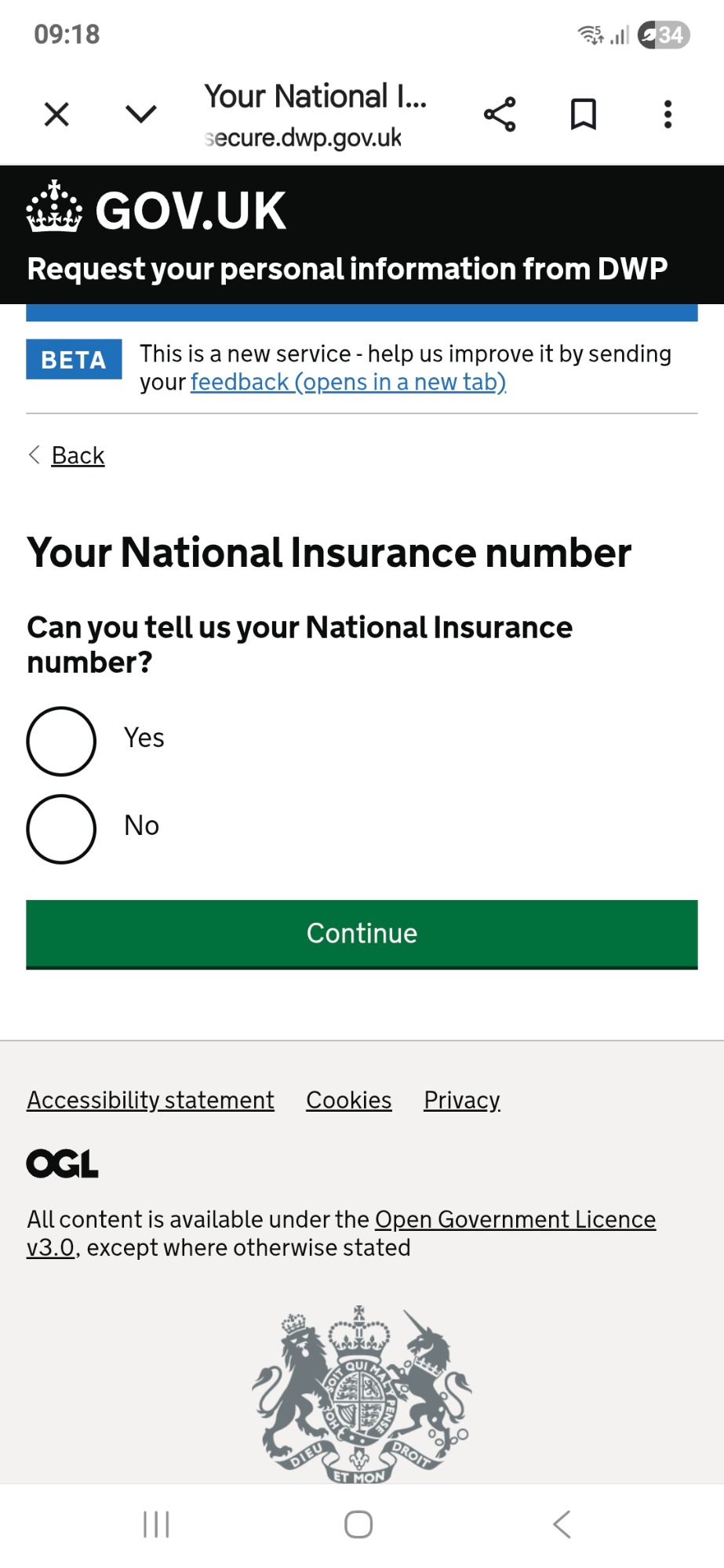
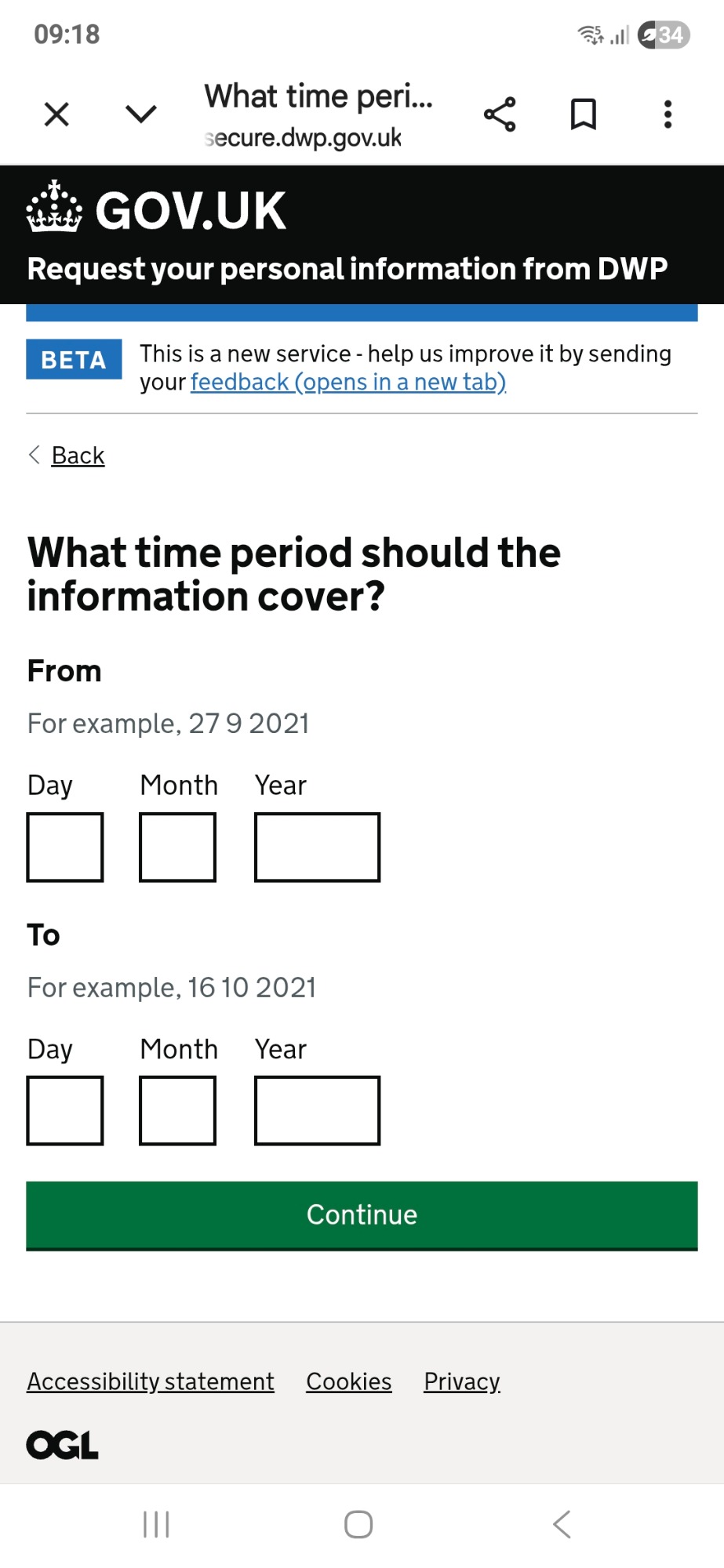
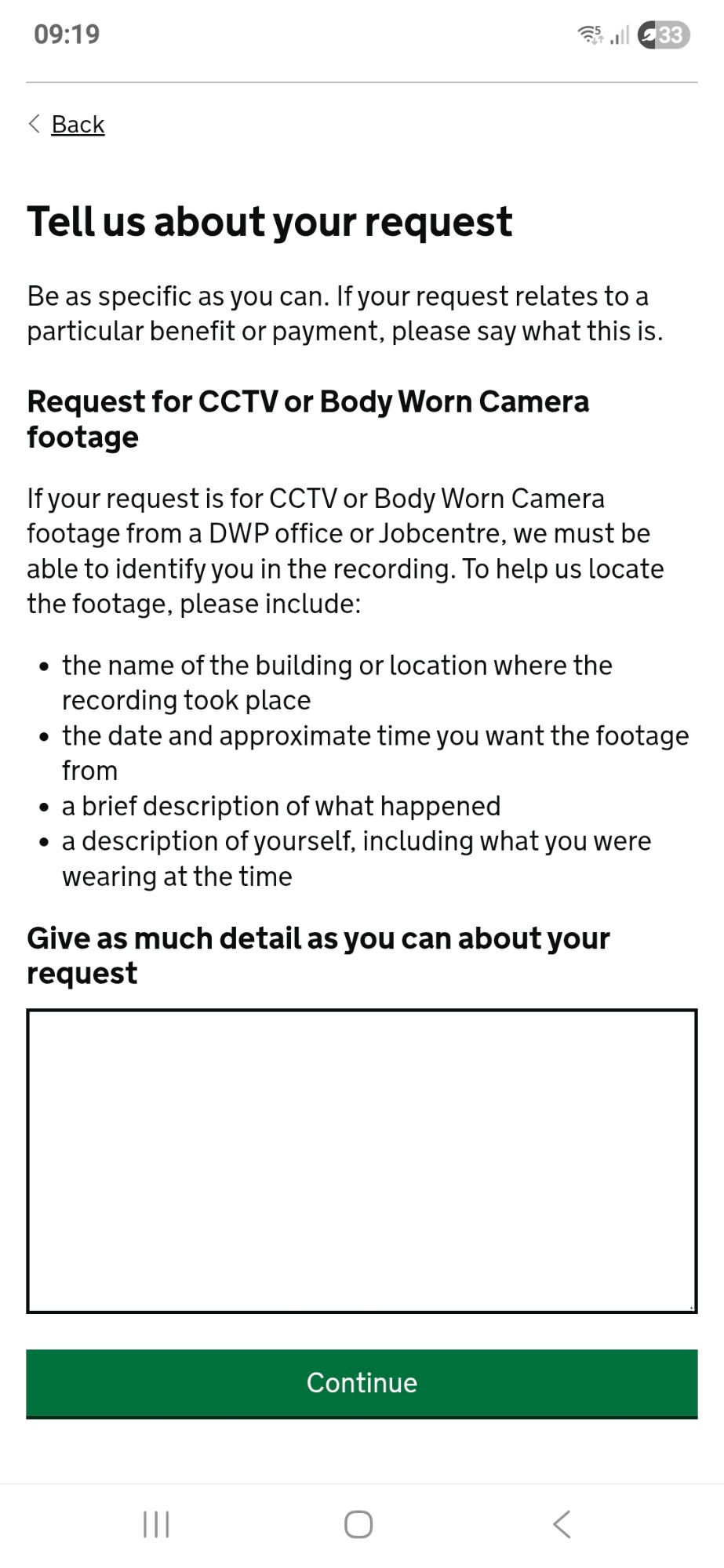
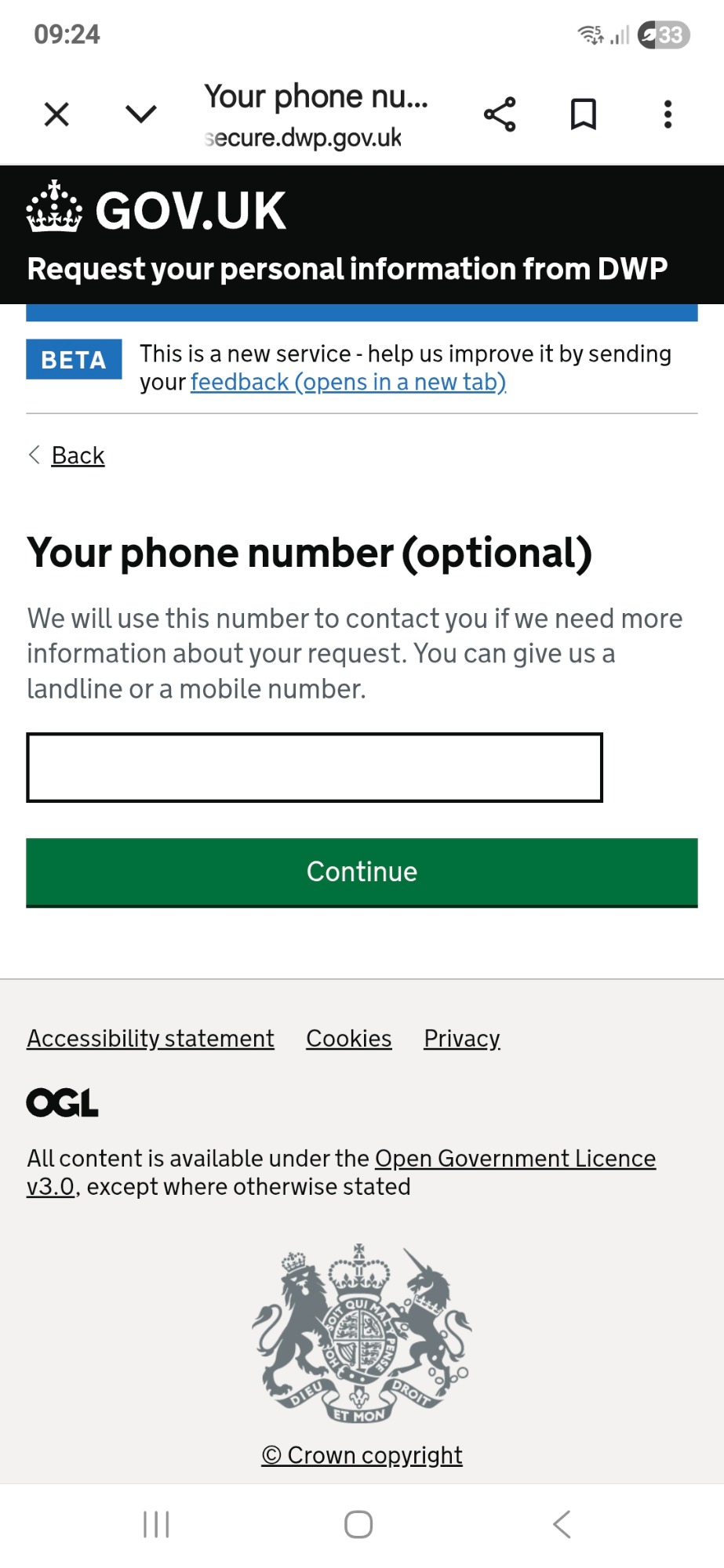
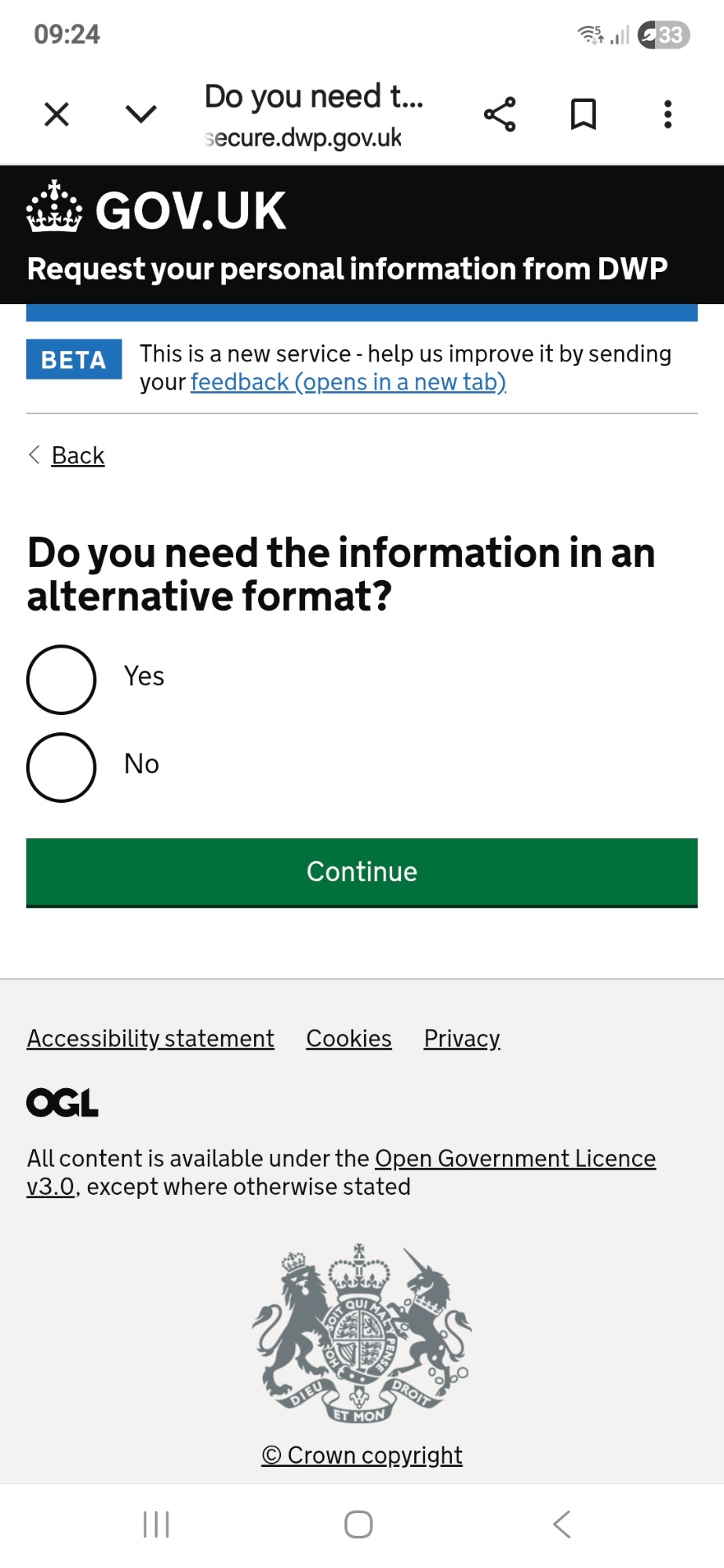


To navigate a DWP DSAR (Data Subject Access Request) with the UK Department for Work and Pensions
(DWP), the goal is usually to obtain all personal data they hold about you—such as benefit records, assessments, decision notes, call logs, correspondence, and internal case notes.
Department for Work and Pensions
Step-by-step
1. Decide what records you need
Be specific if possible. Examples:
- Universal Credit records
- PIP assessment reports
- ESA decision maker notes
- Child maintenance service all case records
- Work Capability Assessment reports
- Telephone call logs
- Journal entries
- Internal case manager notes
- Medical evidence received
- Sanction decisions
- Mandatory reconsideration records
Being specific helps avoid delays.
2. Submit your DSAR
You can usually do this by email or post via the official DWP guidance:
DWP personal information request guidance
This is the safest official route.
3. Include key details
Your request should include:
- Full name
- Date of birth
- National Insurance number
- Current address
- Previous address (if relevant)
- Contact details
- Which benefit(s) the request relates to
- Time period requested
- Exactly what records you want
Example:
“I request all personal data held by DWP relating to my Universal Credit and PIP claims from January 2022 to present, including internal notes, assessment reports, call recordings, decision maker notes, and correspondence.”
4. ID verification
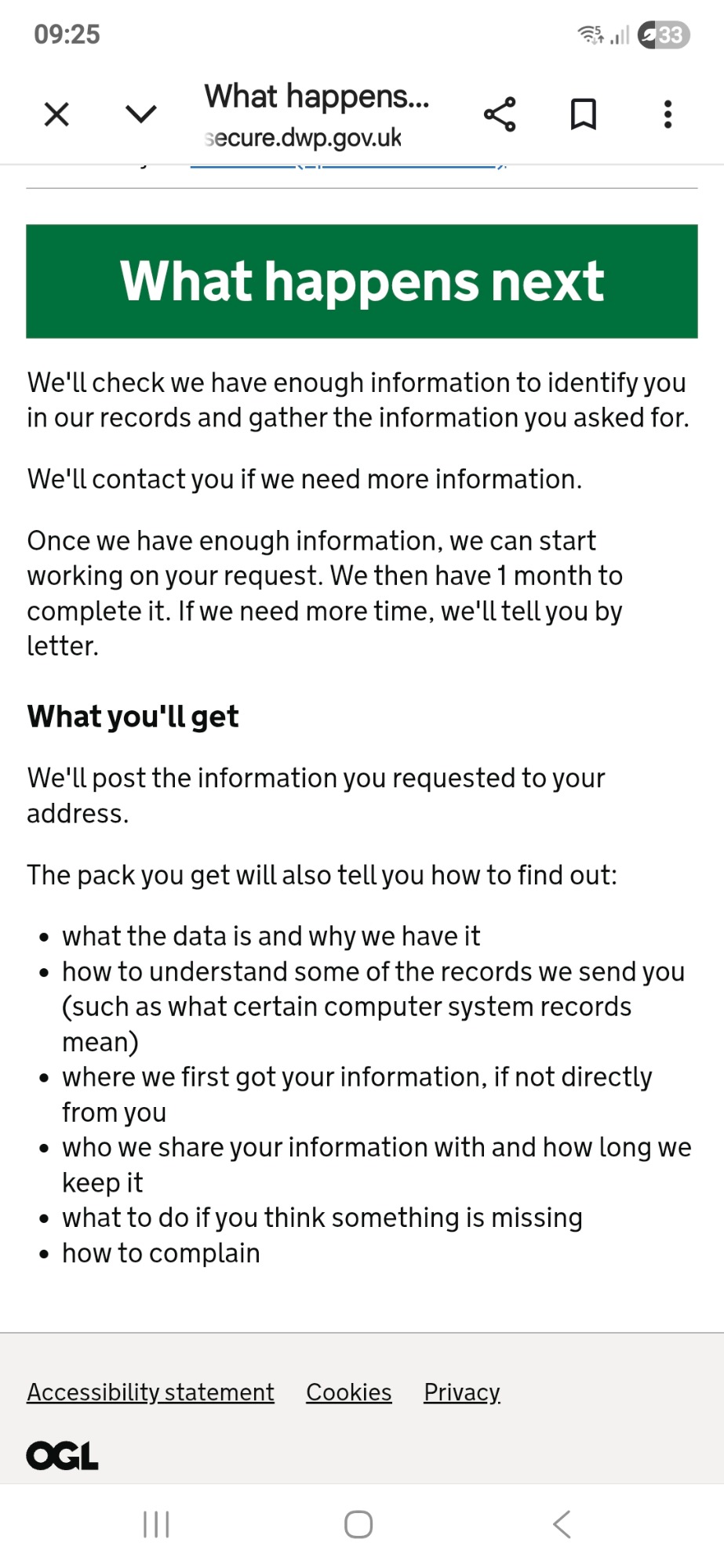
DWP may ask for proof of identity before releasing records.
This is normal.
5. Response times
Under UK GDPR, they usually have:
1 calendar month
They can extend if the request is complex.
6. If delayed or incomplete
You can:
- Chase DWP directly first
- Escalate with a complaint
- Contact the Information Commissioner's Office
Official ICO guidance:
ICO Subject Access Request guidance
Strong DSAR wording (recommended)
Ask specifically for:
- ALL case notes
- decision maker notes
- UC/PIP system screens
- internal memos
- assessment provider reports
- call recordings
- complaint records
- safeguarding notes
- fraud markers (if applicable)
- special payment decisions
Specific wording often gets better results.
If your DSAR is for tribunal evidence
State clearly:
“This request is urgent and required for active tribunal proceedings.”
That can help speed handling.

Information Commissioner's Office (ICO)
https://ico.org.uk/for-organisations/uk-gdpr-guidance-and-resources/subject-access-requests/a-guide-to-subject-access/
when an organisation—such as Department for Work and Pensions (DWP), a bank, employer, landlord, council, or company—has mishandled your personal data or ignored your rights under UK GDPR / Data Protection Act.
WHEN to go to ICO
You should consider the ICO if:
1. Your DSAR is ignored
You made a Data Subject Access Request (DSAR) and:
- no reply after 1 calendar month
- incomplete records sent
- key documents missing
- unexplained refusal
- unreasonable delays
2. Incorrect information is held about you
Examples:
- false benefit notes
- incorrect fraud markers
- wrong medical evidence
- inaccurate employment records
- misleading safeguarding notes
3. Your data was shared improperly
Examples:
- information sent to the wrong person
- medical records disclosed wrongly
- personal details shared without lawful reason
4. You suspect hidden internal notes
Especially common with:
- DWP
- PIP / Universal Credit
- safeguarding
- complaint investigations
- sanctions
- tribunal evidence
5. You believe there is retaliation or unfair treatment linked to hidden records
WHY go to ICO
Because ICO can:
- investigate poor DSAR handling
- pressure organisations to comply
- challenge unlawful refusals
- review data protection failures
- require better disclosure
- support formal complaints evidence
They do not usually award compensation directly—that is usually through court.
HOW to go to ICO
Official complaint route:
ICO official complaint page
https://ico.org.uk/for-organisations/uk-gdpr-guidance-and-resources/subject-access-requests/a-guide-to-subject-access/
STEP-BY-STEP
Step 1 — Complain to the organisation first
ICO expects you to contact DWP (or the organisation) first.
Example:
“Please explain why my DSAR is incomplete and why key case notes were withheld.”
Keep proof.
Step 2 — Gather evidence
Collect:
- DSAR request copy
- their reply
- dates
- missing documents list
- refusal letters
- screenshots
- complaint reference numbers
Step 3 — Submit ICO complaint
Explain:
- what happened
- dates involved
- why you believe data is missing
- how this affects you
- what outcome you want
Step 4 — ICO reviews it
They may:
- contact the organisation
- request explanation
- advise next steps
- log formal concerns
Strong reasons for ICO escalation
Especially strong if:
- tribunal case ongoing
- benefit stopped unfairly
- safeguarding used wrongly
- false records affect housing/work
- repeated DSAR obstruction
- complaint cover-up suspected
Example wording
Good wording:
“The DWP has failed to provide complete records following my DSAR. I believe internal case notes, decision maker notes, and assessment records have been withheld. This affects active tribunal proceedings and my legal rights.”
For DWP specifically
Ask for:
- UC full system notes
- PIP PA4 report
- DM notes
- call recordings
- complaint investigation notes
- safeguarding notes
- vulnerability markers
- fraud markers
- referral notes
Important
ICO is strongest when:
you first requested records properly
AND
you can show what is missing
Specific complaints work much better than general ones.