
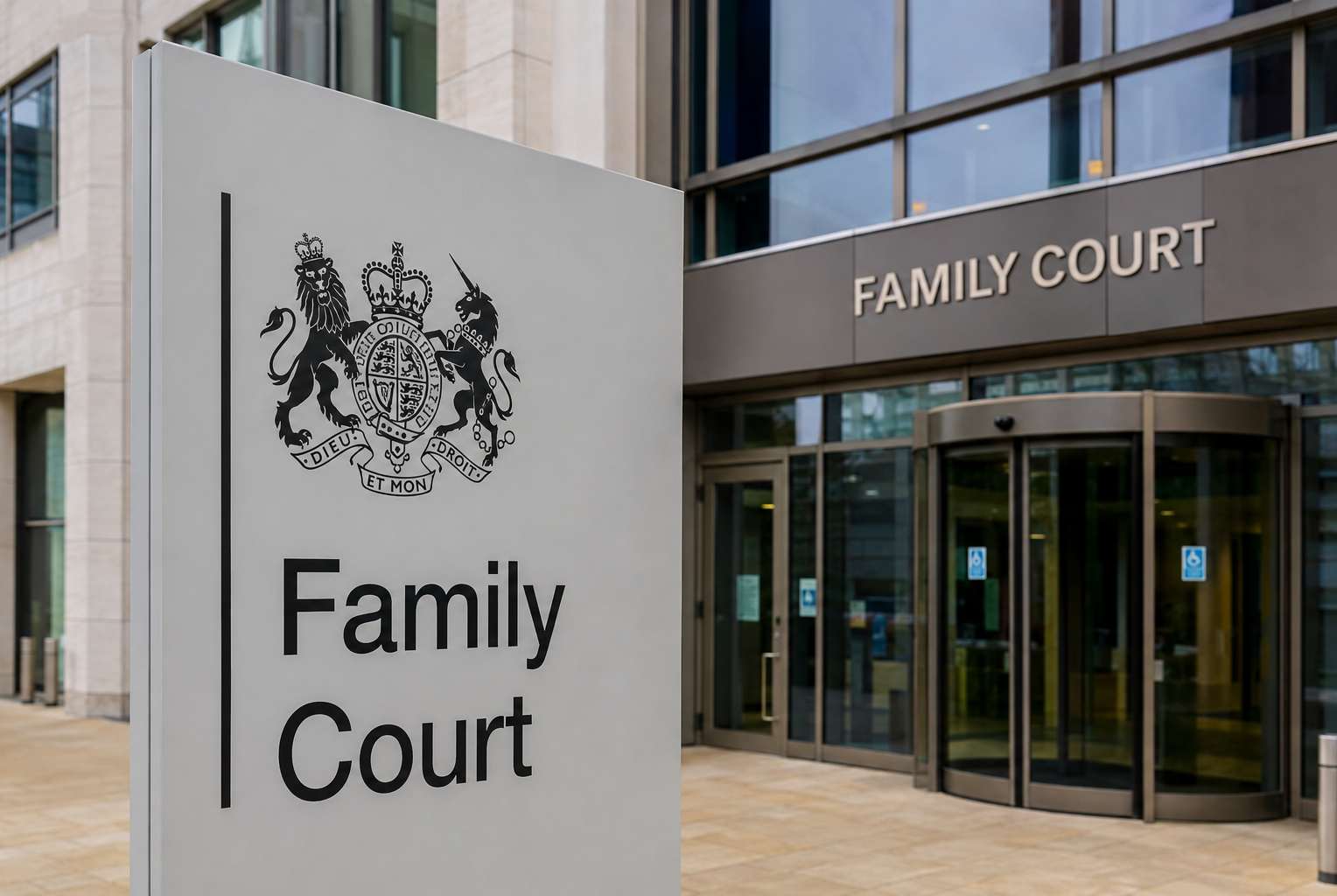
Family Court Information
What family courts handle
Family courts typically deal with issues like:
- Divorce and separation – ending a marriage and dividing assets
- Child custody and visitation – deciding where children live and how parents share time
- Child support – financial support for children
- Spousal support (alimony) – financial support between former partners
- Adoption and guardianship – legal care and responsibility for a child
- Domestic violence and protection orders – restraining orders and safety measures
- Paternity cases – establishing a child’s legal father
How family courts work
- They usually prioritize the best interests of the child in any decision involving minors.
- Cases may be resolved through mediation, negotiation, or a judge’s ruling.
- Proceedings are often less formal than criminal courts, but they are still legally binding.
Who is involved
- A judge (and sometimes magistrates or commissioners)
- The people involved in the case (parents, spouses, guardians)
- Lawyers or legal representatives
- In some cases, social workers or child advocates
Key goal
The main goal of family courts is not punishment, but fair resolution and protection of family members, especially children.
Lady Chief Justice Dame Sue Carr (2nd Oct 2023)
The main focus is the appointment and swearing-in of Dame Sue Carr as the first woman to hold this top judicial office. The discussion highlights:
- The historical significance of a woman reaching the highest judicial role
- Her long legal career and reputation in the courts
- The responsibilities of the Lady Chief Justice
- The importance of representation and progress within the justice system
- How this appointment reflects wider change in the legal profession
The tone is formal and celebratory, emphasizing both constitutional importance and symbolic progress for women in law.
Key Points Mentioned
1. First woman in the role
It is stressed that Dame Sue Carr is the first woman ever to become Lady Chief Justice.
2. Historic appointment
Her appointment is described as a major constitutional and legal milestone, not just a personal achievement.
3. Head of the judiciary
The Lady Chief Justice is responsible for leading judges across England and Wales and helping uphold judicial independence.
4. Career recognition
Her professional record and legal experience are presented as reasons she was chosen for the role.
5. Representation matters
There is likely discussion around how seeing women in senior judicial roles can inspire future generations.
6. Modernisation of the courts
The appointment may be linked to broader progress and diversity within the UK justice system.
7. Public confidence in justice
Leadership at this level is framed as important for trust in the legal system.
One notable line reflected in coverage
“She is the first woman ever to have been appointed Chief Justice of England and Wales.”
Family Courts
Main Problems the Public Faces in Family Courts
1. Long Delays and Backlogs
Many parents and children wait months—or sometimes much longer—for hearings and final decisions.
This means:
- children stay in unstable arrangements
- domestic abuse victims remain exposed to risk
- families spend huge amounts on legal fees
- emotional harm gets worse over time
The UK government itself said family court backlogs leave “families in limbo” and children “left to linger in harm’s way,” which is why it expanded Child Focused Courts in 2026.
Parliament’s Public Accounts Committee also warned that delays weigh especially heavily on children and domestic abuse victims.
https://publications.parliament.uk/pa/cm5901/cmselect/cmpubacc/883/report.html?utm_source=chatgpt.com
2. Domestic Abuse Not Properly Handled
A major criticism is that coercive control, emotional abuse, and post-separation abuse are often not fully understood in family proceedings.
Common complaints:
- survivors feel disbelieved
- abusive parents may still gain contact orders
- safeguarding is inconsistent between courts
- victims feel re-traumatised by proceedings
The Domestic Abuse Commissioner highlighted serious data gaps on how domestic abuse cases are handled in family courts.
Even outside family court, families have criticised a “postcode lottery” where abuse histories are inconsistently considered in connected legal processes like inquests.
https://domesticabusecommissioner.uk/wp-content/uploads/2025/10/Everyday-Business-full-report-web.pdf?utm_source=chatgpt.com
3. Too Many People Forced to Represent Themselves
Because legal aid is limited, many people cannot afford solicitors or barristers.
This creates:
- confusion about procedure
- unfairness when one side has lawyers and the other does not
- slower hearings
- judges trying to manage unrepresented litigants
The Law Society reported that in 2025, in 47% of private family law cases, both parties appeared without lawyers (“litigants in person”).
4. Lack of Transparency (“Secret Courts” Criticism)
Many people believe family courts are too closed and decisions happen without enough public accountability.
Public concerns include:
- judgments not easily understood
- media reporting restrictions
- parents feeling unheard
- suspicion about secret decision-making
England and Wales expanded the “transparency principle” nationally so journalists can report more from family courts while protecting children’s anonymity. This followed concerns about an “absence of confidence” in the system.
Transparency in Family Courts
5. Children’s Voices Not Heard Enough
Parents often say decisions are made about children rather than with proper understanding of children’s needs.
Problems include:
- delays in appointing Independent Children’s Lawyers
- limited direct child participation
- poor follow-up after court orders
Government reforms in 2026 specifically focused on faster identification of risk and stronger child-focused decision-making.
https://www.gov.uk/government/news/children-to-get-swifter-justice-as-new-family-court-approach-expands-nationally?utm_source=chatgpt.com
6. Poor Data and Weak Accountability
Officials often do not even have complete data on:
- case outcomes
- abuse prevalence
- what happens to children after proceedings
- differences across ethnic, disability, or protected groups
Parliament said the Ministry of Justice and Department for Education still lack the data needed to properly fix the system.
https://publications.parliament.uk/pa/cm5901/cmselect/cmpubacc/883/report.html?utm_source=chatgpt.com
7. Rising Case Numbers + Underfunding
More family cases are entering court while funding and legal support struggle to keep up.
The Law Society reported:
- 270,474 new family cases in 2025
- increases in private law and financial remedy cases
- continued rise in domestic abuse cases
They warned that family court cases are rising while legal aid is shrinking.
https://www.lawsociety.org.uk/contact-or-visit-us/press-office/press-releases/family-court-cases-rise-as-legal-aid-sinks?utm_source=chatgpt.com#
News Links
Government Reform Announcement
Children to get swifter justice – GOV.UK
Parliament Report on Delays + Domestic Abuse
Improving family court services for children – UK Parliament
Law Society Warning on Legal Aid Crisis
Family court cases rise as legal aid sinks – Law Society
Family Court Transparency Expansion
Transparency in Family Courts overview
Domestic Abuse Commissioner Report